More Local than a Tourist Market
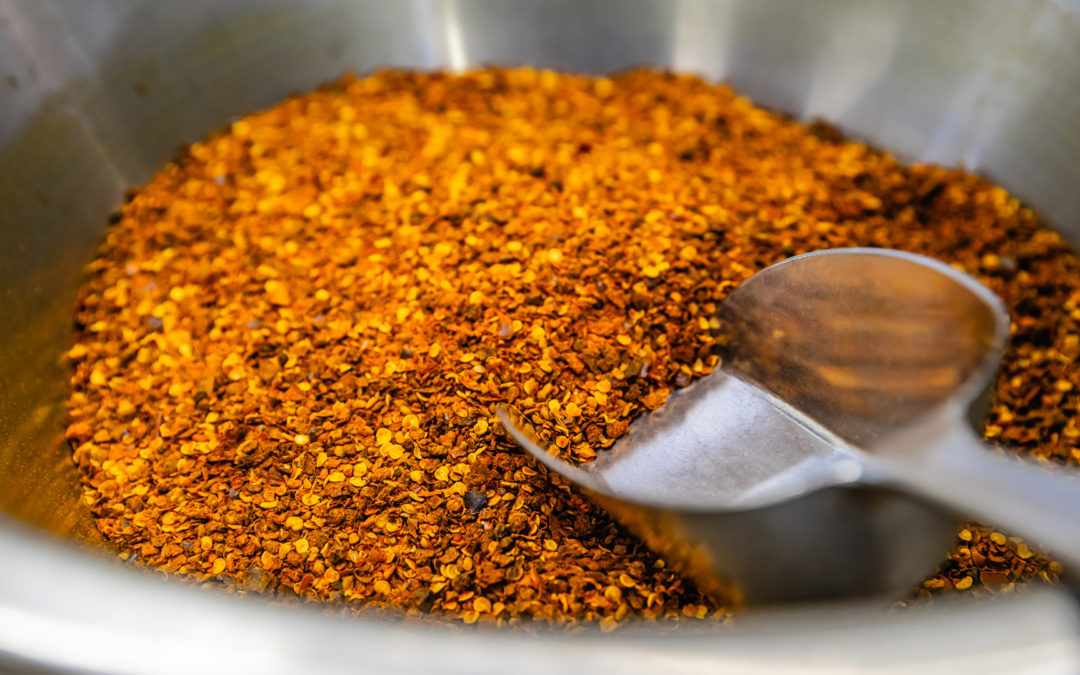
But some of each. We got some great spices and some local crafts. Note that there are two buildings and that the market is busier and more vibrant in the am.
But some of each. We got some great spices and some local crafts. Note that there are two buildings and that the market is busier and more vibrant in the am.

This is a fun market to visit – shopkeepers and assistants are really friendly and only a couple were pushy. There is a lot of beautiful Zulu and Xhosa beaded jewelry here and if you’re around for a few days, you can also commission pieces. You don’t have to haggle if it makes you uncomfortable – prices are comparable to other markets (just have an idea of how much things should cost before you go). Others have commented on the safety of the surrounding neighborhood. It’s crowded but safe. As long as you aren’t flashing your money and phone around, you’ll be fine. I waked to the market from the eastern part of Durban Central and felt perfectly comfortable. The neighborhood has a lot of interesting fabric and clothing shops as well as street vendors selling all sorts of things. It’s worth having a look around if you’re already in the area.
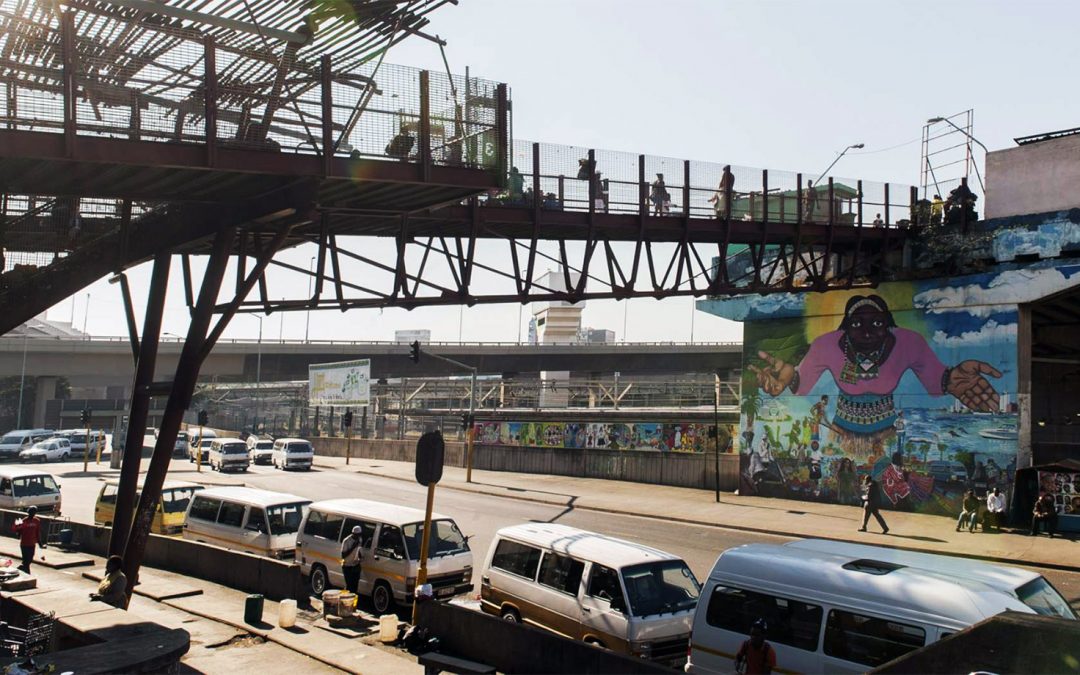
Since Durban’s launch of the area-based management initiative in 2001, there has been a surge of energy and community activism amongst the area’s informal traders. The “bottom-up momentum”, combined with infrastructure improvements like widened pavements and storage facilities, has translated into bustling markets with a constant flow of commuters shuffling between traders’ stalls. The lively atmosphere of the markets has also led to significant economic development and stability, while also deterring inner-city crime. Although plans to build a shopping mall in Warwick Junction threatened the market in 2009, strong local campaigns continue to fight against such infringements, and the markets continue to be the alternative, inclusive retail model of Durban.
With 38,000 vehicles and 460,000 people passing through daily, Warwick Junction is South Africa’s largest transportation and trading hub. Located on the outskirts of Durban’s inner city, the three different markets operating in the area – the Meat, Early Morning, and Victoria Street Markets occupy a repurposed highway and the land adjacent to Berea Road train station.
Each day, an estimated 8,000 traders come together offering an eclectic range of traditional African herbs and medicine, artisanal goods, and fresh produce. Given Durban’s historic ties with India, there is also a large selection of Indian products at the two-floor complex of the Victoria Street market, such as curry powder, spices, and incense. With its numerous purple minarets, the otherwise modern building resembles a Maharajah’s Palace and it functions as the key landmark of Warwick Junction.
Prior to the 1990s, Warwick Junction suffered due to apartheid government’s disdain for the informal economy. During this time, the market, along with a host of other local institutions, suffered from numerous hygiene and trade legislation. It was not until 1994, following the election of the first South African democratic government, that mandates were put in place to better support informal trade. The markets have since had a positive impact on the area, and on the lives of its many local entrepreneurs.
Image courtesy of The KwaZulu-Natal Institute for Architecture
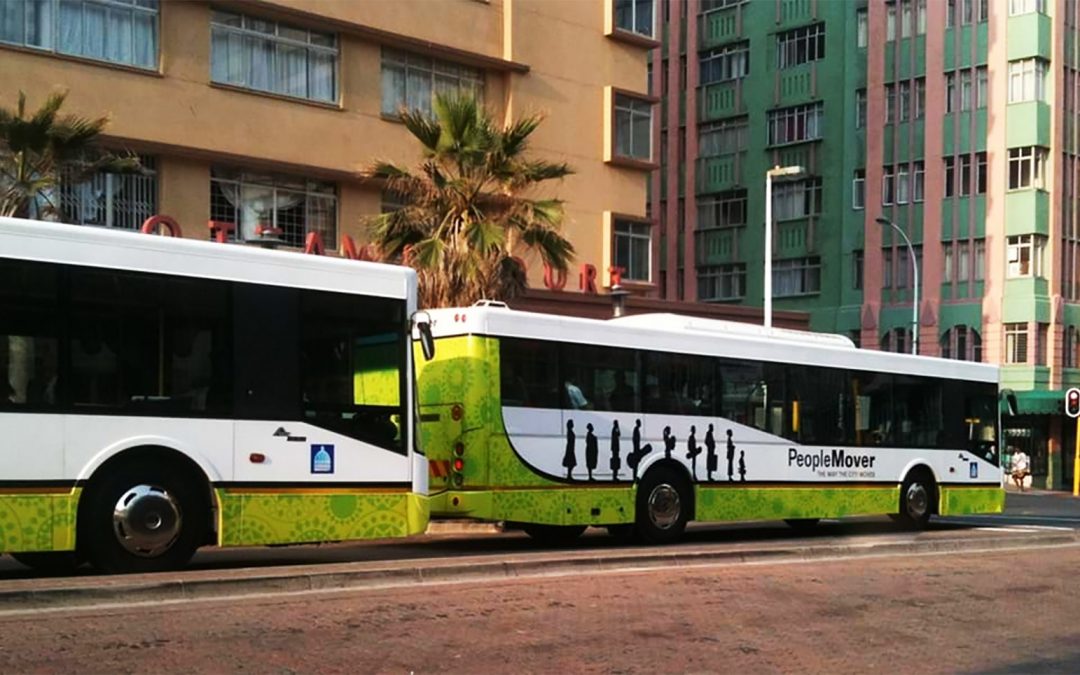
Operating Hours: The Durban People Mover service runs daily from 05h00 to 22h00. These extended operating hours allow commuters greater freedom and access to Durban’s entertainment and business areas.
City Loop: A circular route through the main city thoroughfares, Starting and ending at the Dr Pixley KaSeme transfer interchange, stopping close to City Hall, The Playhouse Theatre, Tourism Information Centre, Inkosi Albert Luthuli ICC Complex, the Victoria Street Market and Durban’s mosque and cathedral.
Beach Line: A scenic line which runs along the Northern and Southern city beaches, starting at the Suncoast casino and ending at Ushaka Marine World. The route runs through the interchange at Dr Pixley KaSame Street, facilitating passengers who wish to change to the city loop.


Venture down to the Victoria Street Market on the corner of Queen and Victoria Streets in Durban Central and step into a sensory Afro-Indian world. Here the smell of incense and spices pervades the atmosphere where over 180 traders sell their produce. You will find all manner of delightful food and spices including a fish market.
Durban’s Indian community is the largest outside of India and has influenced the character of the city immensely. Operating since 1870, Victoria Street Market still offers a dizzying whirl of colour, aromas, vibrant fabrics and the cheerful noise of bartering. Shoppers can purchase silk saris, scarves, jewellery, woven baskets, beaded and carved curios, Asian ceramics and even cheap Chinese products.
Further down is the clothing mecca of Grey Street (Dr Yusuf Dadoo Street), where you will find typical Indian architecture, narrow lanes, colonnades over pavements and an array of fabric shops.
Source: https://www.safarinow.com/destinations/durban-central/shoppingmalls/victoria-street-market.aspx
Recent Comments