031 306 4021 | TRADING HOURS: MON- FRI: 8AM - 5PM | SAT: 8AM-4PM | SUN: 9AM- 3PM admin@victoriastreetmarket.co.za
Select Page
What Makes Warwick Junction Great!

What Makes Warwick Junction Great!

Warwick Junction has become a prime example of collaborative and “people-centered” governance in South Africa.
Project For Public Spaces

Warwick Junction

Since Durban’s launch of the area-based management initiative in 2001, there has been a surge of energy and community activism amongst the area’s informal traders. The “bottom-up momentum”, combined with infrastructure improvements like widened pavements and storage facilities, has translated into bustling markets with a constant flow of commuters shuffling between traders’ stalls. The lively atmosphere of the markets has also led to significant economic development and stability, while also deterring inner-city crime. Although plans to build a shopping mall in Warwick Junction threatened the market in 2009, strong local campaigns continue to fight against such infringements, and the markets continue to be the alternative, inclusive retail model of Durban.

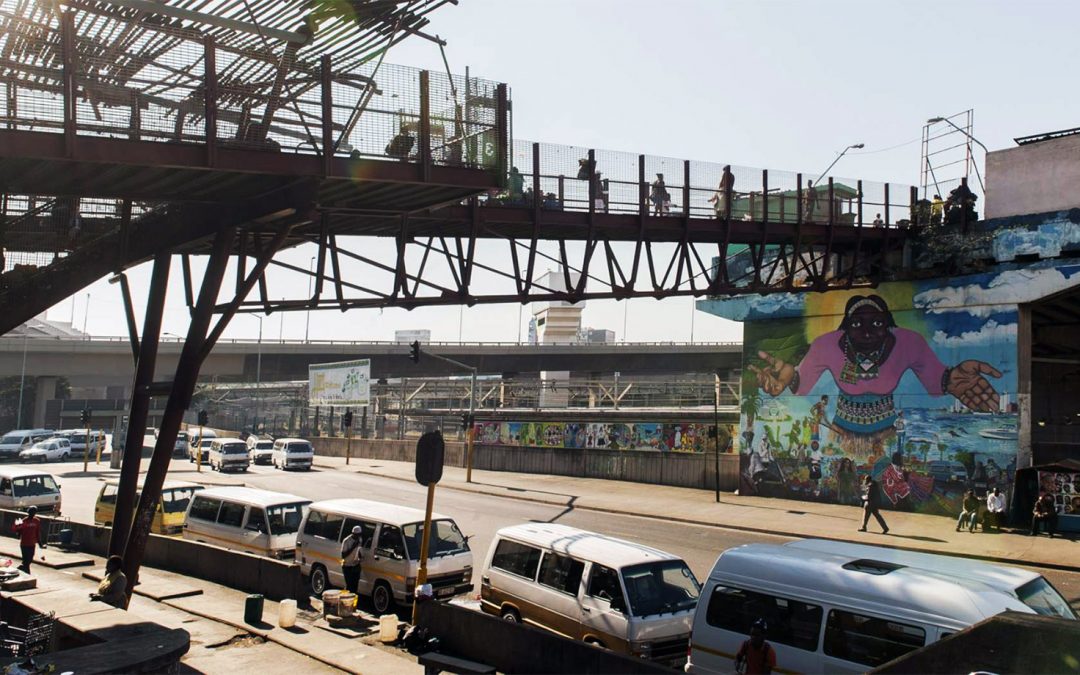
With 38,000 vehicles and 460,000 people passing through daily, Warwick Junction is South Africa’s largest transportation and trading hub. Located on the outskirts of Durban’s inner city, the three different markets operating in the area – the Meat, Early Morning, and Victoria Street Markets occupy a repurposed highway and the land adjacent to Berea Road train station.

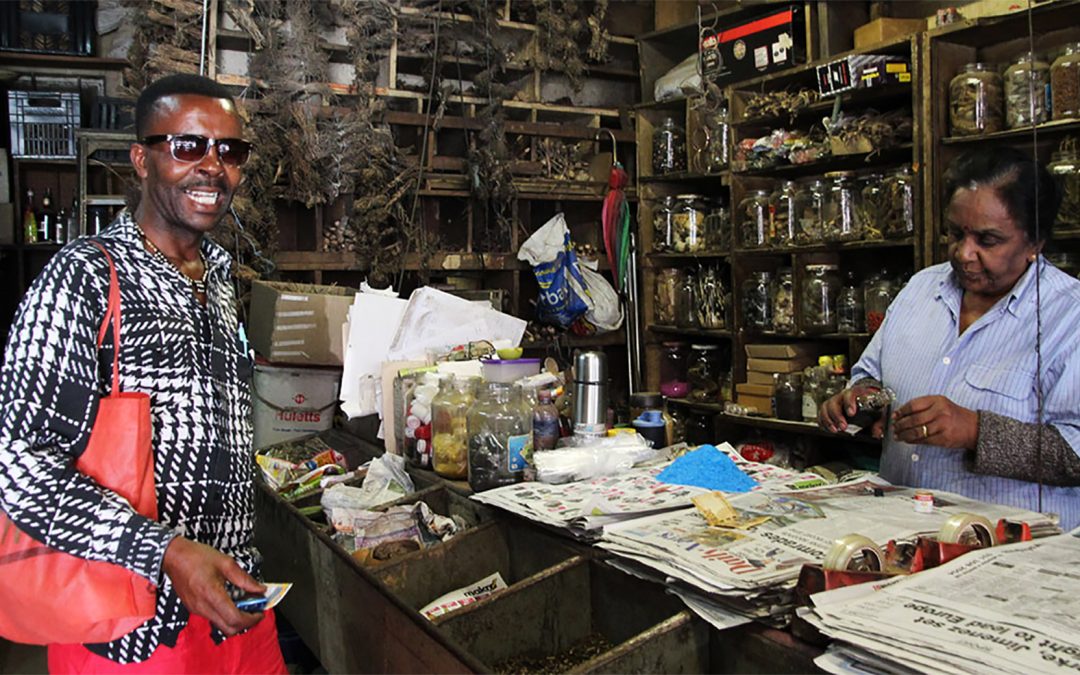
Each day, an estimated 8,000 traders come together offering an eclectic range of traditional African herbs and medicine, artisanal goods, and fresh produce. Given Durban’s historic ties with India, there is also a large selection of Indian products at the two-floor complex of the Victoria Street market, such as curry powder, spices, and incense. With its numerous purple minarets, the otherwise modern building resembles a Maharajah’s Palace and it functions as the key landmark of Warwick Junction.

Prior to the 1990s, Warwick Junction suffered due to apartheid government’s disdain for the informal economy. During this time, the market, along with a host of other local institutions, suffered from numerous hygiene and trade legislation. It was not until 1994, following the election of the first South African democratic government, that mandates were put in place to better support informal trade. The markets have since had a positive impact on the area, and on the lives of its many local entrepreneurs.

Image courtesy of The KwaZulu-Natal Institute for Architecture
[addthis tool="addthis_inline_share_toolbox"]
Victoria Street Market on People Mover Route

Victoria Street Market on People Mover Route

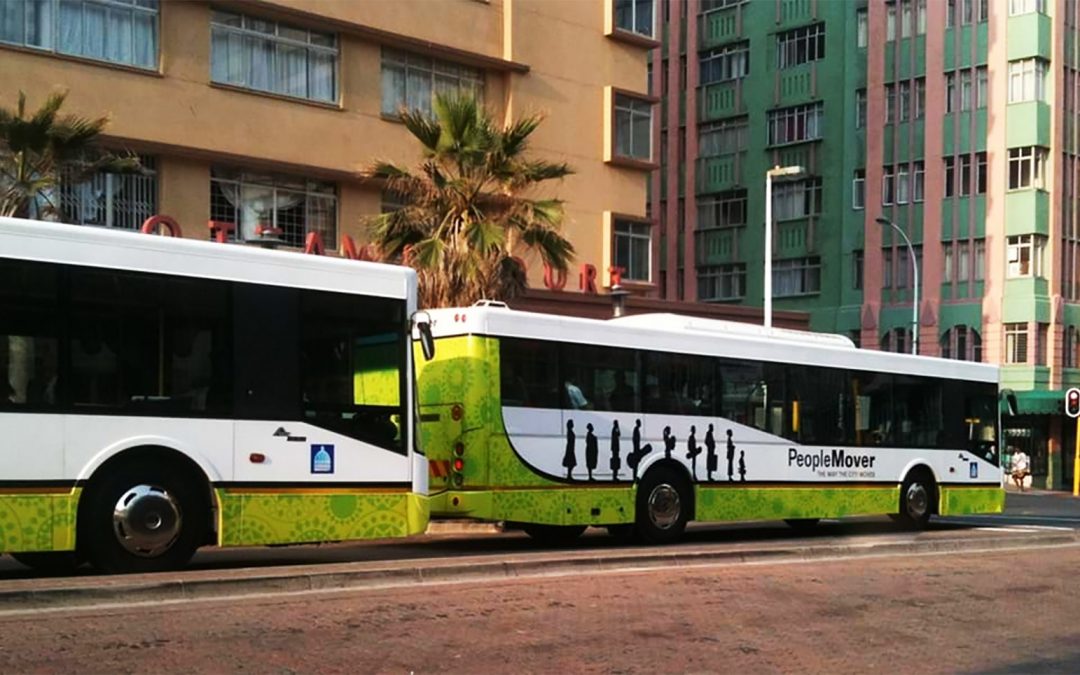
The Victoria Street Market lies on the City Loop of the People Mover buses. This is a circular route through the main Durban city thoroughfares, starting and ending at the Dr Pixley KaSeme transfer interchange, stopping close to the City Hall, The Playhouse Theatre, Tourism Information Centre, Inkosi Albert Luthuli ICC Complex, the Victoria Street Market and Durban’s mosque and cathedral.

The People Mover buses transport local and visiting commuters in air-conditioned, safe and reliable comfort. The attractive, brightly-coloured People Mover buses travel through the city of Durban every 15 minutes and are a popular, fun way to travel around the city or along the beachfront. There is wheelchair access, and bus-stop wardens offer help to disabled passengers requiring assistance, route and schedule information and security to all waiting passengers.

Operating Hours: The Durban People Mover service runs daily from 05h00 to 22h00. These extended operating hours allow commuters greater freedom and access to Durban’s entertainment and business areas.

City Loop: A circular route through the main city thoroughfares, Starting and ending at the Dr Pixley KaSeme transfer interchange, stopping close to City Hall, The Playhouse Theatre, Tourism Information Centre, Inkosi Albert Luthuli ICC Complex, the Victoria Street Market and Durban’s mosque and cathedral.

Beach Line: A scenic line which runs along the Northern and Southern city beaches, starting at the Suncoast casino and ending at Ushaka Marine World. The route runs through the interchange at Dr Pixley KaSame Street, facilitating passengers who wish to change to the city loop.

[addthis tool="addthis_inline_share_toolbox"]
A Durban Must See

A Durban Must See

The Victoria Street Market is a great place to visit, a must see in Durban… what a vibe! Lots of stalls selling all sorts of spices, crafts, African clothing and souvenirs. The Market is a very busy place but there is a parking lot under the main shopping area, so we parked there. It was good for keeping the car cool too!
Miss Holders / Accrington / United Kingdom

[addthis tool="addthis_inline_share_toolbox"]
A Cultural Wonder of South Africa

A Cultural Wonder of South Africa

If you want to see the penetration of Zulu culture in Durban go to the Muti Bridge at Victoria Street Market. I did it with a friend who is familiar with the traders and the articles being traded. He offered me background to the market, the bridge and the merchandise. It was extremely educational. The number of Sangomas (traditional healer)s and herbalists in the market is astounding so were the various items for sale. Approach with curiosity and with an open mind. There’s always something to learn and this is even more true in the market.
Justin / Durban, South Africa

[addthis tool="addthis_inline_share_toolbox"]

Image courtesy of J Davis

Amandla – The Liberation Heritage of Durban

Amandla – The Liberation Heritage of Durban

The Victoria Street Market has a rich history that reflects the struggles of a poor community striving for their own identity alongside a strong need to survive economically. The market was founded by ex-indentured labourers who created their own employment as market garden farmers. Initially the grounds of Grey Street mosque were used to trade, but as the number of traders grew they moved onto the streets. Traders paid a daily rental fee to the Durban Council for their commercial space, and were forced to sleep on the pavements due to the high cost of travelling home. A typical market day started at 4am and ended at 6pm, but farmers set up their stalls at 2am. Trading was done in the open, exposed to the elements, and without access to sanitation or toilets. In 1910 the municipality built a covered market in Victoria Street for Indian traders. It was known as the Top Market or Squatter Market and traders sold a variety of goods including groceries, fish, spices and crafts. Conflict occurred between “squatters” who traded outside on the pavements and stall holders, who paid rental inside the building. The community was united in opposition against any attempts to move the market, particularly from 1968 when a new freeway was under construction. The old market was destroyed by a fire that began under mysterious circumstances on 16 March 1973, which many traders regarded as an act of sabotage. The new building was opened on 23 July 1990.

Source: http://amandladurban.org.za/victoria-street-market-bertha-mkhize-street

[addthis tool="addthis_inline_share_toolbox"]